
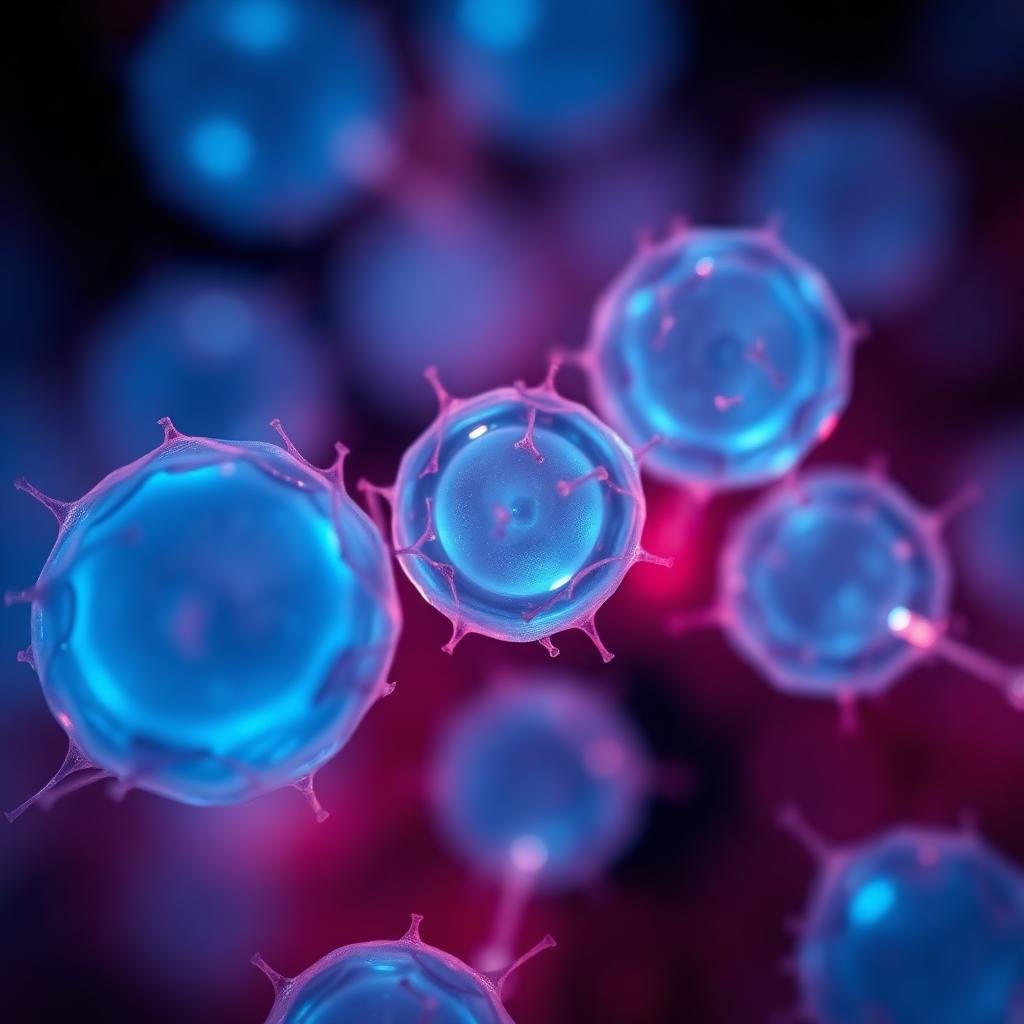
Stem cell therapy represents one of the most promising frontiers in regenerative medicine. Over the past decade, research has advanced at an unprecedented pace, offering new hope for patients suffering from chronic pain, degenerative conditions, and a wide range of other health challenges.
What Are Stem Cells?
Stem cells are the body's raw materials — cells from which all other cells with specialized functions are generated. Under the right conditions in the body or a laboratory, stem cells divide to form more cells called daughter cells. These daughter cells either become new stem cells (self-renewal) or become specialized cells (differentiation) with a more specific function, such as blood cells, brain cells, heart muscle cells, or bone cells.
How Does Stem Cell Therapy Work?
Stem cell therapy, also known as regenerative medicine, promotes the repair response of diseased, dysfunctional, or injured tissue using stem cells or their derivatives. It is the next chapter in organ transplantation and uses cells instead of donor organs, which are limited in supply.
Researchers grow stem cells in a lab. These stem cells are manipulated to specialize into specific types of cells, such as heart muscle cells, blood cells, or nerve cells. The specialized cells can then be implanted into a person. For example, if the person has heart disease, the cells could be injected into the heart muscle. The healthy, transplanted heart muscle cells could then contribute to repairing defective heart muscle.
Conditions That May Benefit
- Osteoarthritis and joint degeneration
- Chronic back and neck pain
- Rotator cuff and tendon injuries
- Neurodegenerative conditions
- Autoimmune disorders
- Cardiovascular disease
What to Expect During Treatment
The process typically begins with a comprehensive consultation and evaluation. Your physician will review your medical history, perform a physical examination, and may order imaging or laboratory tests to determine if you are a good candidate for stem cell therapy.
The procedure itself is usually minimally invasive. Stem cells may be harvested from your own body (autologous) or derived from other approved sources. The cells are then processed and precisely delivered to the target area, often using image-guided techniques to ensure accuracy.
Recovery and Results
Recovery times vary depending on the condition being treated and the individual patient. Many patients report improvement within weeks, while others may require several months to experience the full benefits. Your care team will provide detailed post-procedure instructions and schedule follow-up appointments to monitor your progress.
Ready to learn more?
Schedule a consultation with our team to discuss whether stem cell therapy is right for you.
Book a Consultation